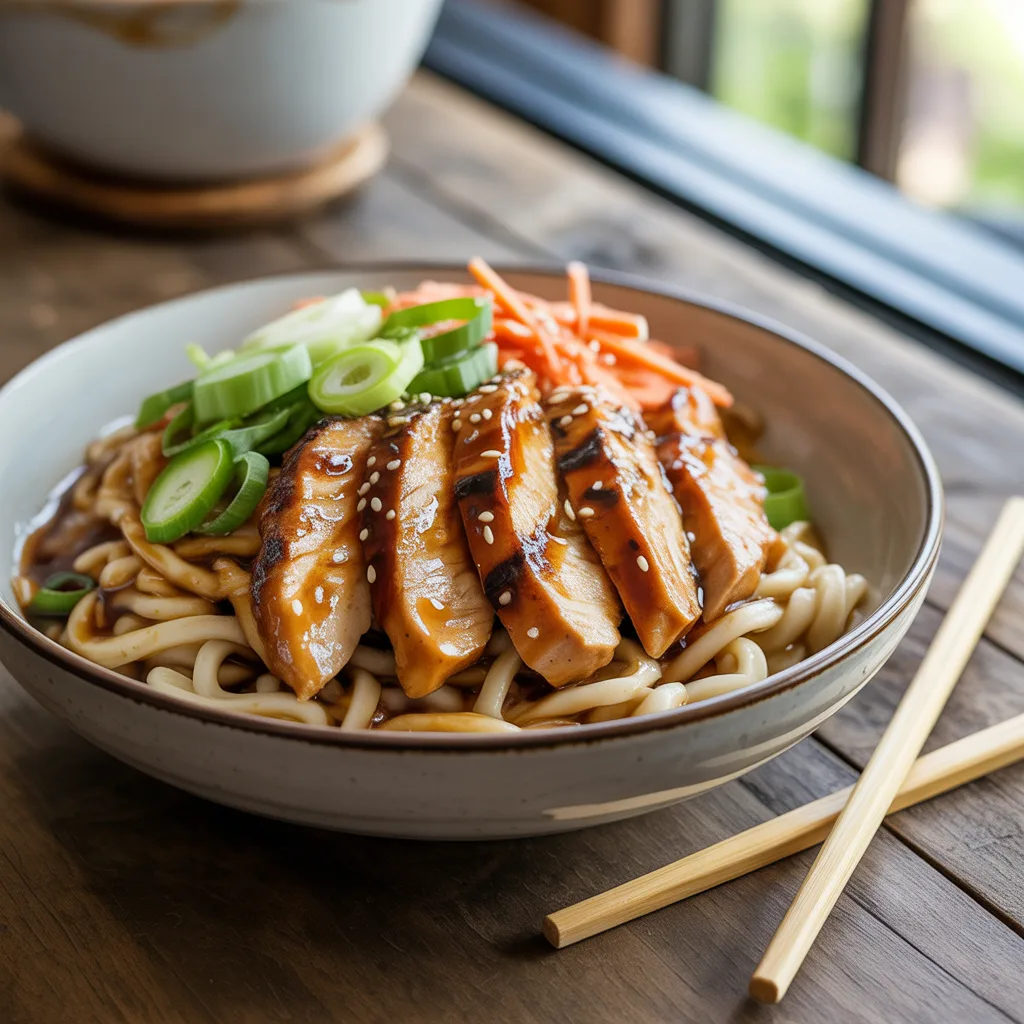
Ever find yourself staring into the fridge at 5 p.m., hoping dinner will magically assemble itself? I’ve been there more times than I’d like to admit. But that’s exactly why this recipe is such a lifesaver. These Easy Teriyaki Chicken Noodle Bowls are your ticket to a satisfying, flavor-packed meal that feels like a hug in a bowl. They come together with minimal fuss, using ingredients you probably already have on hand, and are a guaranteed crowd-pleaser for the whole family. Let’s make getting dinner on the table the easiest part of your day.
Top Reasons To Make It
- It’s incredibly quick. From start to finish, you’ll be sitting down to eat in about 30 minutes.
- You only need one skillet and one pot, which means cleanup is a total breeze.
- The homemade teriyaki sauce is simple, flavorful, and free of any preservatives.
- It’s a complete meal all by itself, with protein, veggies, and carbs in every single bite.
- Leftovers are fantastic, making tomorrow’s lunch a no-brainer.
Ingredients
- 1 lb boneless, skinless chicken breasts, cut into 1-inch pieces: our main, lean protein.
- 8 oz rice noodles or spaghetti: the hearty base of our bowl.
- 1 tbsp avocado or olive oil: for sautéing the chicken and veggies.
- 2 cloves garlic, minced: for a punch of savory flavor.
- 1 tbsp fresh ginger, grated: adds a warm, zesty kick.
- 1 cup broccoli florets: for a pop of green and crunch.
- 1 red bell pepper, thinly sliced: brings sweet color and vitamins.
- 1/2 cup low-sodium soy sauce: the salty, umami foundation of our sauce.
- 1/4 cup water: helps create the perfect saucy consistency.
- 2 tbsp honey: a natural sweetener that balances the soy.
- 1 tbsp rice vinegar: gives the sauce a little bright tang.
- 1 tsp sesame oil: for that classic, nutty finishing flavor.
- 1 tbsp cornstarch: the key to a glossy, thickened sauce.
- Green onions and sesame seeds, for garnish: pretty and delicious.
Instructions
- Start a large pot of salted water boiling for your noodles. Cook them according to the package directions, then drain and set them aside.
- While the water heats, whisk together the sauce ingredients: soy sauce, water, honey, rice vinegar, sesame oil, and cornstarch in a small bowl until it’s completely smooth.
- Heat the oil in a large skillet or wok over medium-high heat. Add the chicken pieces and cook for 5-7 minutes, until they’re cooked through and no longer pink in the middle.
- Push the chicken to one side of the skillet. Add the garlic and ginger to the empty space and cook for just 30 seconds until wonderfully fragrant.
- Add the broccoli and bell pepper to the skillet. Pour in about 1/4 cup of water, then cover the skillet and let the veggies steam for 3-4 minutes, until they’re tender-crisp.
- Give your sauce another quick whisk (the cornstarch can settle) and pour it into the skillet. Bring everything to a simmer, stirring constantly. The sauce will thicken beautifully within a minute or two.
- Add the cooked noodles to the skillet and toss everything together until it’s all coated in that glossy, delicious sauce. Garnish with green onions and sesame seeds and serve immediately. So good.
Tips For Success
- Cut your chicken into evenly-sized pieces. This ensures everything cooks at the same rate for perfectly tender chicken every time.
- Don’t skip toasting your sesame seeds! Toss them in a dry pan for a minute until golden for a huge flavor upgrade.
- If your veggies are taking a bit longer to cook, just add another splash of water to the pan to help them steam.
- For a truly speedy dinner, use a bag of pre-cut stir-fry vegetable mix. It’s a fantastic shortcut.
- Honestly, the fresh ginger makes a world of difference compared to the powdered stuff. But in a real pinch, 1/4 teaspoon of ground ginger will work.
Variations & Substitutions
- Protein Swap: Thinly sliced steak, shrimp, or even smoked turkey sausage are all delicious alternatives to chicken.
- Vegetable Choices: Feel free to use what you have! Snap peas, shredded carrots, sliced mushrooms, or zucchini would all be wonderful here.
- Gluten-Free: Use tamari instead of soy sauce and ensure your noodles are 100% rice or another GF variety.
- Lower Sugar: You can replace the honey with a sugar-free maple syrup alternative.
- Extra Punch: A teaspoon of sriracha mixed into the sauce will add a lovely, gentle heat.
Air Fryer Settings
For an even easier method, try cooking your chicken in the air fryer! Toss the cubed chicken with one tablespoon of oil. Air fry at 375°F (190°C) for 8-10 minutes, shaking the basket halfway through, until cooked through. Then, simply combine it with the sautéed veggies and sauce in your skillet at the end. It creates a chicken that’s so, so tender.
Storage & Reheating
Let your leftovers cool completely before storing them. They’ll keep in an airtight container in the refrigerator for up to 3 days. The noodles will continue to absorb the sauce, so when you reheat, add a tiny splash of water or soy sauce to loosen it up. Reheat gently in the microwave or in a skillet on the stove over medium-low heat, stirring occasionally, until hot all the way through. I don’t recommend freezing this one, as the noodles can become mushy when thawed.
Frequently Asked Questions
- Can I use a different noodle? Absolutely! This is one of the most flexible dinner ideas. Spaghetti, udon, soba, or even zucchini noodles work perfectly.
- Is this a healthy dinner idea? It can be! It’s packed with lean protein and vegetables. Using low-sodium soy sauce and controlling the amount of honey helps keep it balanced.
- My sauce didn’t thicken. What happened? The cornstarch must be whisked in completely when the liquid is cold. If it’s still thin, make a quick slurry by mixing another teaspoon of cornstarch with a tablespoon of cold water and stir it into the simmering sauce.
- How can I make this one of my cheap dinners for a family? Chicken thighs are often more affordable than breasts and work great here. Loading up on in-season vegetables is another great way to keep the cost down.