Few things make me happier than pulling a warm, crispy flatbread straight from the oven and sharing it around the table. With just a handful of simple ingredients and a straightforward batter, Socca (Chickpea Flatbread) is wonderfully approachable for cooks of all skill levels. Whether you’re serving it alongside supper, sharing it with friends, or enjoying it fresh from the skillet, this rustic favorite always feels a little special.
Why You’ll Love This Socca (Chickpea Flatbread)
- Simple Ingredients: Everything comes together with a short list of pantry-friendly ingredients.
- Quick Preparation: The batter takes only a few minutes to whisk together before resting.
- Crispy and Tender: The edges become crisp while the center stays pleasantly flexible.
- Cast Iron Friendly: A hot skillet helps create a beautifully cooked flatbread.
- Customizable Finish: You can add za’atar, extra olive oil, salt, and pepper before serving.
- Perfect for Sharing: Slice it into wedges or squares for an easy family-style dish.
- Great for Many Meals: It fits naturally alongside a variety of mediterranean diet recipes.
Ingredients You’ll Need
One of the things I love most about Socca (Chickpea Flatbread) is how a few everyday ingredients can create something so satisfying. Each ingredient plays an important role in the texture and flavor, so keeping the measurements balanced helps deliver the best results every time.
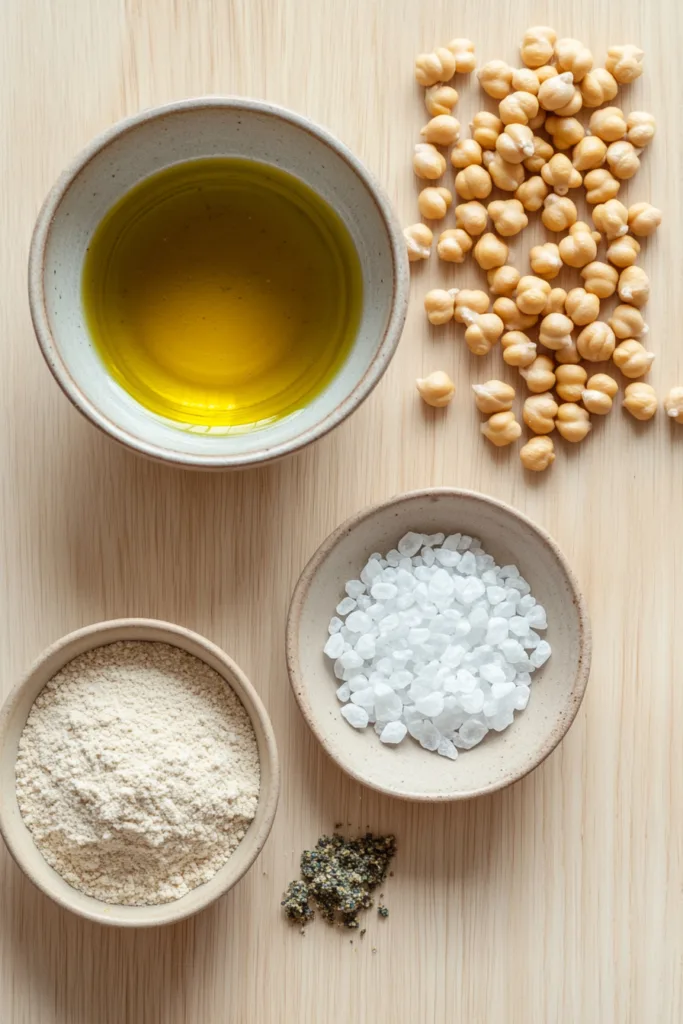
- 1 cup chickpea flour (4 1/2 ounces): This is the foundation of the batter and provides the structure of the flatbread. The full cup creates the proper consistency when combined with the water. It gives the socca its distinctive flavor and texture.
- 1 cup water: Water hydrates the chickpea flour and helps form a smooth, pourable batter. Using an equal amount of water and flour allows the flour to absorb moisture during the resting period and creates the correct texture for baking.
- 1 1/2 tablespoons extra-virgin olive oil, plus more for the pan and drizzling: Olive oil contributes richness to the batter and helps promote browning during cooking. The measured amount blended into the batter supports texture, while the additional oil coats the skillet and provides a flavorful finishing drizzle before serving.
- 1/2 teaspoon kosher salt: Salt seasons the batter and brings out the flavor of the chickpea flour. The specified amount provides balanced seasoning throughout the flatbread.
- 1 teaspoon za’atar (optional): If using, za’atar adds an extra layer of flavor when sprinkled over the finished socca. The teaspoon measurement provides a noticeable but balanced finishing touch.
What really amazes me is how these simple ingredients work together after a brief rest. The batter transforms into something that bakes up with crispy edges and a tender center, making this one of those quick mediterranean recipes that feels far more impressive than the effort involved.
How to Make Socca (Chickpea Flatbread)
I absolutely love how straightforward this recipe is. Once the batter is mixed and given a little time to rest, the oven and hot skillet do most of the work, leaving you with a beautifully cooked Socca (Chickpea Flatbread) that’s ready to slice and share.
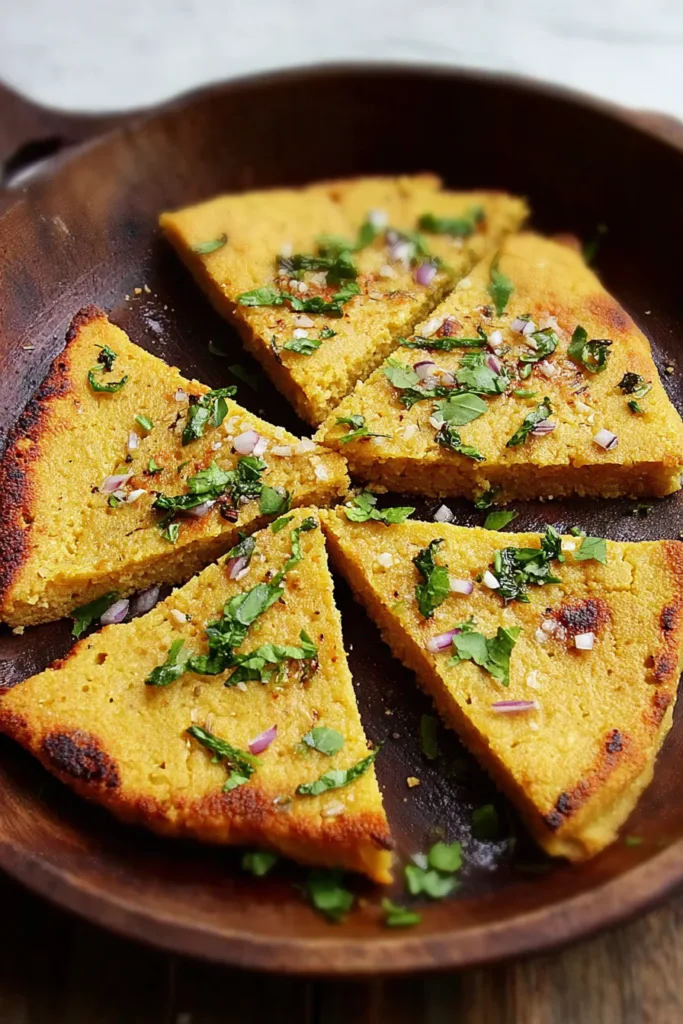
- Whisk the chickpea flour, water, extra-virgin olive oil, and kosher salt together in a medium bowl until the batter is completely smooth. Let the batter rest for 30 minutes so the flour has time to absorb the water.
- Heat the oven by positioning a rack 6 inches below the broiler element and setting the temperature to 450°F. About 5 minutes before the batter finishes resting, place a 10-inch cast iron skillet in the oven and switch the oven to broil.
- Coat the hot skillet with about 1 teaspoon of oil after carefully removing it from the oven. Pour the batter into the center of the skillet and tilt the pan as needed so the batter spreads across the entire surface.
- Broil the socca until the top begins to blister and brown, about 5 to 8 minutes. The center should remain fairly flexible while the edges become crispy. If the top starts browning before the batter is fully set, move the skillet to a lower oven rack and continue cooking.
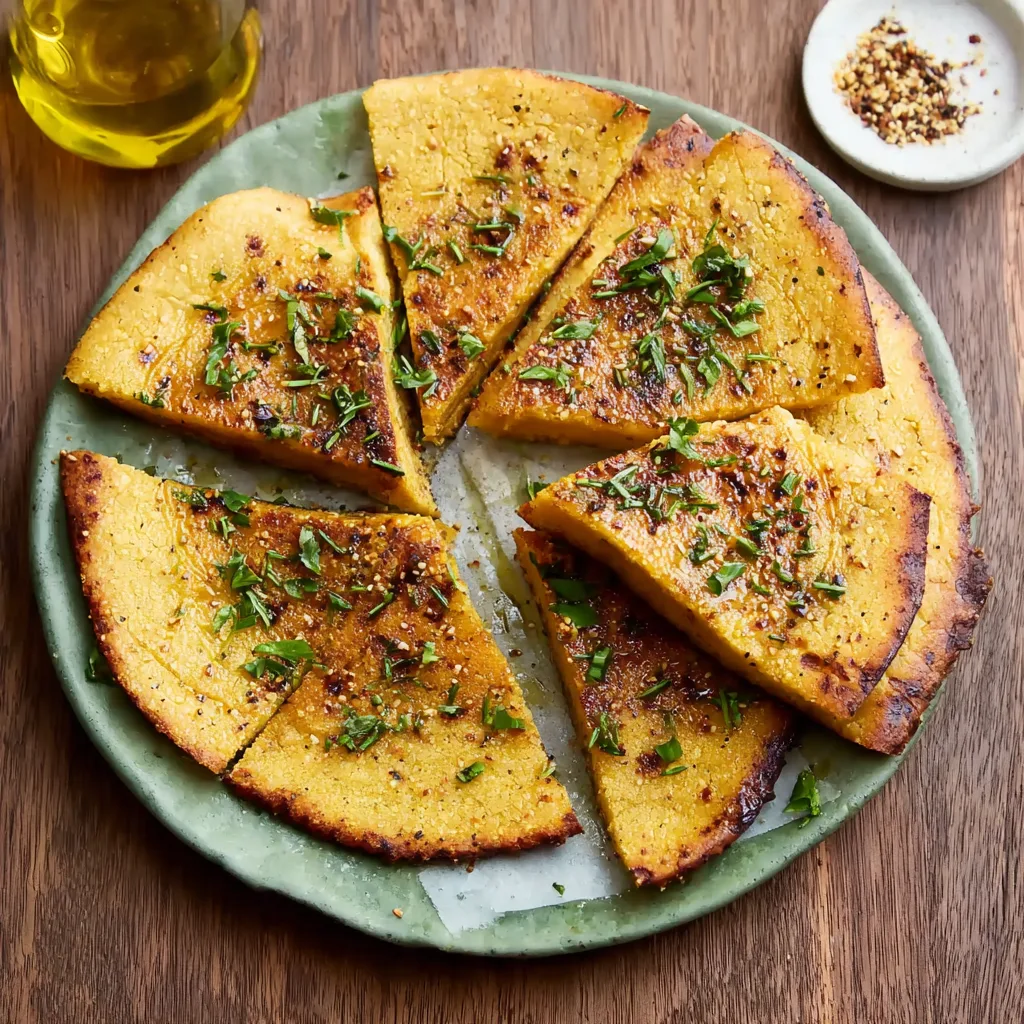
- Transfer the baked socca to a cutting board using a flat spatula. Slice into wedges or squares, then finish with salt, pepper, an extra drizzle of olive oil, and za’atar if desired before serving.
Tips for the Best Socca (Chickpea Flatbread)
- Don’t Skip the Resting Time — Allowing the batter to rest for 30 minutes gives the chickpea flour time to absorb the water properly.
- Use a Hot Skillet — Preheating the cast iron skillet before adding the batter helps the socca cook evenly.
- Coat the Pan Well — A thin layer of oil across the bottom of the skillet helps prevent sticking and supports easy removal.
- Watch the Broiler Closely — The top should blister and brown while the center remains flexible and the edges become crisp.
- Adjust the Rack if Needed — If the top is browning faster than the batter is setting, simply move the skillet to a lower rack until finished.
- Finish Before Serving — A drizzle of olive oil and optional za’atar add extra flavor just before bringing it to the table, making it a standout among healthy mediterranean meals.
Storage & Make-Ahead Tips
Fridge: Socca is best enjoyed immediately after baking while still warm. If you have leftovers, refrigerate them for up to 1 week. Re-toast before serving to refresh the texture.
Freezer: The recipe notes only provide refrigeration and re-toasting instructions. For best results, follow the provided storage method and enjoy within the recommended refrigerated timeframe.
Make-Ahead: The batter requires a 30-minute resting period before cooking. You can plan for that resting time ahead so the socca is ready to bake and serve when needed.
What to Serve With Socca (Chickpea Flatbread)
Because Socca (Chickpea Flatbread) has a simple, savory flavor, it pairs beautifully with a wide variety of foods. I love setting it out in the middle of the table and letting everyone help themselves.
- Simple green salad
- Roasted vegetables
- Fresh vegetable platter
- Warm soup
- Grain-based side dishes
- Marinated vegetable dishes
There’s something downright joyful about taking a handful of simple ingredients and turning them into a warm, shareable flatbread that brings folks together. This Socca (Chickpea Flatbread) is proof that delicious food doesn’t have to be complicated to feel special.
Frequently Asked Questions
Q: What is Socca (Chickpea Flatbread)?
Socca is a flatbread made from a simple batter of chickpea flour, water, olive oil, and salt. In this recipe, the batter is rested, poured into a hot cast iron skillet, and broiled until the top blisters and browns. The finished flatbread has crispy edges and a flexible center, making it easy to slice into wedges or squares for serving.
Q: Why does the batter need to rest?
The 30-minute resting period allows the chickpea flour to absorb the water. This step is specifically included in the recipe and helps prepare the batter for cooking. Skipping the rest would mean the flour has less time to hydrate as intended, which could affect the final texture of the socca.
Q: Do I need a cast iron skillet?
This recipe is written for a 10-inch cast iron skillet that is preheated in the oven before the batter is added. The hot skillet is part of the cooking method described in the instructions and helps the batter spread and cook properly under the broiler.
Q: What should the finished socca look like?
According to the recipe, the top should begin to blister and brown during cooking. The center should remain fairly flexible, while the edges become crispy. These characteristics help indicate that the socca is ready to be removed from the oven and served.
Q: What should I do if the top is browning too quickly?
The recipe provides a simple solution. If the top starts browning before the batter is fully set, move the skillet to a lower oven rack and continue cooking until done. This adjustment helps the batter finish cooking without excessive browning on top.
Q: Is the za’atar required?
No. The recipe lists za’atar as optional. After the socca is cooked and sliced, you can sprinkle it over the top along with salt, pepper, and a drizzle of olive oil if you choose. The flatbread can also be served without it.
Q: How should Socca (Chickpea Flatbread) be served?
Once removed from the skillet, the socca can be sliced into wedges or squares. The recipe suggests finishing it with salt, pepper, additional olive oil, and optional za’atar before serving. This simple finishing step adds flavor and presentation to the dish.
Q: Can this be included in mediterranean dinner recipes?
Yes. Socca can easily be served as part of a meal alongside a variety of dishes. Its simple ingredient list and shareable format make it a versatile addition to the table, whether you’re serving it as a side, appetizer, or part of a larger spread.
Socca (Chickpea Flatbread)
Ingredients
Method
- Whisk the chickpea flour, water, extra-virgin olive oil, and kosher salt together in a medium bowl until smooth.
- Let the batter rest for 30 minutes to allow the flour to absorb the water.
- Arrange an oven rack 6 inches below the broiler element and heat the oven to 450°F.
- About 5 minutes before the batter is done resting, place a 10-inch cast iron skillet in the oven and turn the oven to broil.
- Carefully remove the hot skillet and add about 1 teaspoon oil to coat the bottom of the pan.
- Pour the batter into the center of the skillet and tilt the pan if needed so the batter coats the entire surface.
- Broil until the top begins to blister and brown, 5 to 8 minutes.
- If the top is browning too quickly before the batter is fully set, move the skillet to a lower oven rack until done.
- Use a flat spatula to loosen the socca and transfer it to a cutting board.
- Slice into wedges or squares.
- Sprinkle with salt and pepper, drizzle with more olive oil, and sprinkle with za’atar if using.