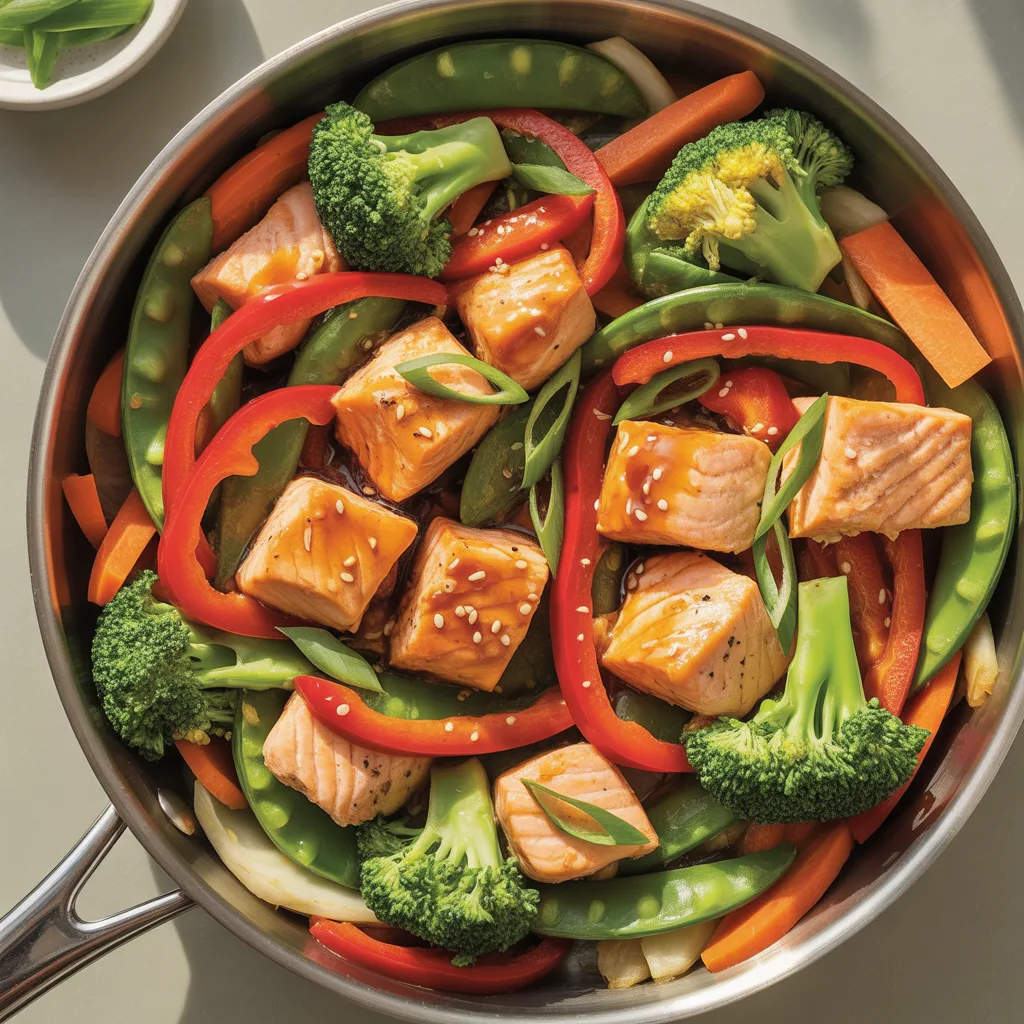
Have you ever stared into the fridge at 5 p.m., wondering how on earth you’re going to get a tasty, healthy dinner on the table without a huge cleanup? Well, that’s where this recipe comes in. This Teriyaki-Style Salmon & Veggie Stir Fry is my weeknight superhero. It’s not a fussy, authentic teriyaki that requires a dozen specialty ingredients. Instead, we’re making a simple, savory-sweet glaze from pantry staples that comes together in minutes. We’ll cook tender salmon right in the same pan as a rainbow of crisp-tender vegetables. Everything gets coated in that glossy, delicious sauce. One pan, big flavor, and a meal that feels way more special than the effort it requires.
Why You’ll Love This Teriyaki-Style Dish
You’re going to love this dish because it checks all the boxes for a busy life. It’s wonderfully versatile. Got a different veggie in the crisper? Toss it in. Prefer another fish? This teriyaki-style sauce is fantastic with so many other seafood options, making it a star in your collection of healthy salmon recipes and pescatarian recipes. It’s a complete meal that’s packed with protein and vegetables, all cooked in a single skillet. That means more time with your family and less time scrubbing pots. And honestly, the flavor is just so, so good. The sauce is the perfect balance of sweet and salty, and it makes the salmon incredibly flavorful.
Ingredients
- 1 ½ lbs salmon fillets, skin removed, cut into 1-inch cubes: For quick, even cooking and easy eating in the stir fry.
- 2 tablespoons neutral oil (like avocado or canola), divided: For sautéing; one part for the veggies, one for the salmon.
- 1 red bell pepper, sliced: Adds a sweet crunch and vibrant color.
- 1 cup broccoli florets: Brings a hearty, healthy green element.
- 1 medium carrot, julienned or thinly sliced: Provides a subtle sweetness and nice texture.
- ½ cup snap peas: For a fresh, crunchy pop.
- 3 cloves garlic, minced: The essential aromatic base for depth of flavor.
- 1 tablespoon freshly grated ginger: Lends a warm, zesty kick that’s key to teriyaki.
- ¼ cup low-sodium soy sauce (or tamari): The salty, umami foundation of our sauce.
- 2 tablespoons honey (or maple syrup): Balances the saltiness with a gentle sweetness.
- 1 tablespoon rice vinegar: Adds a touch of acidity to brighten everything up.
- 1 teaspoon toasted sesame oil: Used at the end for a rich, nutty aroma.
- 1 tablespoon cornstarch: To thicken the sauce so it clings perfectly to the salmon and veggies.
- 2 green onions, sliced, and sesame seeds for garnish: For a fresh finish and pretty presentation.
Step-By-Step Method
- First, pat your salmon cubes dry with a paper towel. This helps them get a nice sear instead of steaming. Season them lightly with a pinch of black pepper.
- In a small bowl or measuring cup, whisk together the soy sauce, honey, rice vinegar, and cornstarch until the cornstarch is completely dissolved. Set this teriyaki-style sauce aside.
- Heat a large skillet or wok over medium-high heat. Add one tablespoon of oil. Once the oil is shimmering, add the salmon cubes in a single layer. Let them cook, undisturbed, for about 2 minutes to get some color on one side. They don’t need to be cooked through yet! Gently flip and cook for another minute, then transfer the salmon to a clean plate.
- Add the remaining tablespoon of oil to the same skillet. Toss in the bell pepper, broccoli, and carrot. Stir-fry for about 4-5 minutes, until they’re starting to soften but are still crisp.
- Add the snap peas, garlic, and ginger to the skillet. Cook for one more minute, until fragrant.
- Give your reserved sauce another quick whisk (the cornstarch might have settled) and pour it into the skillet with the vegetables. Stir constantly; the sauce will start to bubble and thicken within a minute.
- Reduce the heat to low and add the cooked salmon back into the skillet. Gently toss everything together until the salmon and veggies are coated in the glossy sauce. Be careful not to break up the salmon too much.
- Remove from heat and drizzle with the toasted sesame oil. Give it one final gentle stir.
- Serve immediately, garnished with sliced green onions and a sprinkle of sesame seeds.
Make-Ahead & Freezer Tips
For a serious head start, you can chop all your vegetables a day or two in advance and store them in airtight containers in the fridge. You can also whisk the sauce together and keep it separate. That way, when dinner time rolls around, you’re just minutes away from eating. I don’t recommend freezing the fully cooked stir fry, as the vegetables will become mushy when thawed. However, you can freeze the uncooked, cubed salmon in a freezer bag with about a third of the sauce for up to 3 months. Thaw it overnight in the fridge, and you’re ready to cook.
Serving Ideas & Pairings
This stir fry is a complete meal on its own, but it’s also fantastic served over a bed of fluffy white rice, brown rice, or cauliflower rice to soak up every last drop of that delicious sauce. For a low-carb option, it’s perfect as is. If you’re leaning into the salmon bowl concept, start with a base of rice, add the stir fry, and maybe an extra drizzle of sauce and a soft-boiled egg on top. A simple side of sliced cucumbers or a light green salad with a ginger-sesame dressing rounds it out beautifully without weighing you down.
Flavor Twists for Ultimate Enjoyment
Feel free to make this recipe your own! Love a little heat? Add a teaspoon of sriracha or a pinch of red pepper flakes to the sauce. If you’re exploring other salmon dishes, try swapping the veggies for what’s in season—asparagus and zucchini are wonderful in the spring and summer. For a different take on pescatarian recipes, you can use this same method and sauce with large shrimp (a great healthy shrimp recipe variation) or even firm tofu cubes for a plant-based option. And if you’re out of salmon, this teriyaki glaze is fantastic on other white fish recipes, like cod or halibut.
Storage & Reheating
Leftovers will keep in an airtight container in the refrigerator for up to 2 days. To reheat, I strongly recommend using a skillet over low heat with a tiny splash of water or broth. This will gently warm the salmon without overcooking it and help revive the sauce. The microwave can work in a pinch, but it tends to make the salmon a bit rubbery. So, the skillet is best.
Doneness Test for Salmon Perfection
Getting salmon just right is easier than you think. The best test is to look at the texture. When it’s ready, the salmon will be opaque throughout and will flake easily when gently pressed with a fork. You can also use an instant-read thermometer; you’re aiming for an internal temperature of 125-130°F in the thickest part for medium, which I find is perfectly moist and tender. Remember, it will continue to cook a little after you take it out of the pan, so it’s okay if it seems slightly under when you pull it.
FAQs About Teriyaki Recipes
- Can I use a different protein? Absolutely. This teriyaki-style sauce is a champion. It works wonderfully with chicken, shrimp (for a healthy shrimp recipe alternative), or even thin slices of beef. Just adjust the cooking time based on what you’re using.
- My sauce didn’t thicken. What happened? The most common culprit is that the cornstarch wasn’t fully dissolved in the cold liquid before hitting the heat. Always whisk it vigorously until no white streaks remain. If it’s still thin, you can mix another teaspoon of cornstarch with a tablespoon of cold water and stir it in while the sauce is simmering.
- Is this recipe gluten-free? It easily can be! Just ensure you use tamari instead of regular soy sauce, and double-check that all your other sauce ingredients are certified gluten-free.
- What other salmon dinner ideas can I try with a similar flavor profile? If you love this, you might enjoy baking salmon fillets with the teriyaki sauce brushed on top, or even threading salmon cubes onto skewers with vegetables and grilling them for a fun twist on salmon meals.
There you have it—a simple, satisfying, and healthy dinner that’s sure to become a regular in your rotation. This Teriyaki-Style Salmon & Veggie Stir Fry proves that a delicious meal doesn’t have to be complicated.