Big, bold flavors and cozy comfort come together in every spoonful of this Lablabi. Tender chickpeas, toasted rustic bread, warm spices, and a little fiery harissa make this humble Tunisian favorite feel downright special without making life complicated in the kitchen. It’s the kind of hearty bowl that’s just as welcome on a busy weeknight as it is around a crowded family table with everybody reaching for seconds.
Why You’ll Love This Lablabi (Tunisian Chickpea Stew)
- Deep Flavor From Simple Ingredients: Pantry staples like chickpeas, garlic, cumin, and paprika come together to create a rich and satisfying stew.
- Perfectly Cozy Texture: The toasted bread soaks up the broth and turns every bite into pure comfort food goodness.
- Easy Enough for Weeknights: Using canned chickpeas keeps the cooking process approachable while still delivering hearty flavor.
- Customizable Heat: The harissa paste lets you make the stew as mild or bold as you like.
- Fresh and Bright Finish: Lemon juice, parsley, and green onions balance the warm spices beautifully.
- Great for Sharing: This recipe naturally feels communal, with bowls piled high and extra bread ready on the side.
- Wonderful for mediterranean dinner recipes: The combination of chickpeas, olive oil, herbs, and spices fits beautifully into flavorful Mediterranean-style cooking.
Ingredients You’ll Need
One thing I absolutely adore about this Lablabi is how a handful of everyday ingredients can turn into something that tastes rich, comforting, and layered with flavor. Every ingredient pulls its weight here, from the creamy chickpeas all the way down to the squeeze of lemon right before serving.
If you enjoy easy mediterranean diet recipes, this stew is a wonderful reminder that simple pantry staples can still bring huge flavor and plenty of comfort to the table.
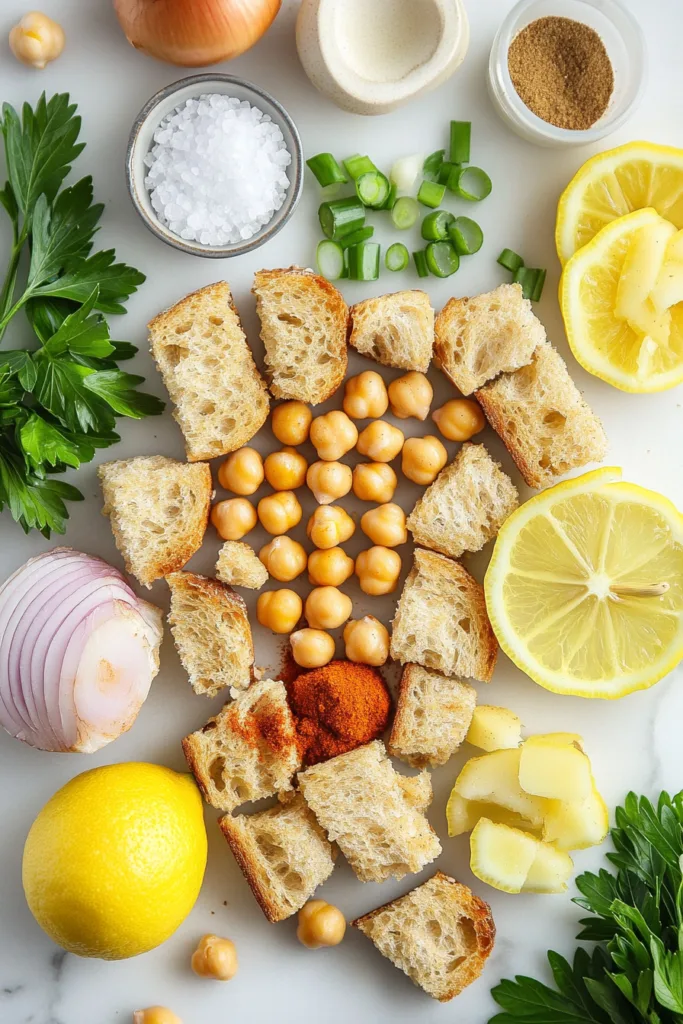
- 2 (15-ounce) cans chickpeas: Chickpeas are the heart of this stew, giving it body, texture, and protein. Cooking them in their liquid with extra water helps soften them even further so they become creamy and tender. If using canned chickpeas, don’t skip the simmering step because that extra cooking time gives the stew its signature texture.
- 1/2 loaf rustic bread: Rustic bread creates the signature base for Lablabi. The toasted pieces soak up the broth while still holding some texture, which makes every bite hearty and satisfying. Crusty bread works best because it stays sturdy under the stew.
- Extra virgin olive oil: Olive oil adds richness throughout the recipe and helps carry all the warm spice flavors. Drizzling more over the finished bowls gives the stew an extra layer of silky texture and depth.
- 1 small yellow onion, finely chopped: Onion builds the savory base of the stew. Finely chopping it helps it soften evenly and blend smoothly into the chickpeas and broth.
- 3 to 4 large garlic cloves, minced: Garlic gives the stew a bold, savory backbone that pairs beautifully with cumin and harissa. Using several cloves keeps the flavor robust without overpowering the dish.
- Kosher salt: Salt helps balance the earthy chickpeas and bright lemon juice while bringing all the spices together. Adding it gradually throughout the cooking process keeps the flavor balanced.
- 1 teaspoon ground cumin: Cumin brings warmth and earthiness that gives Lablabi its comforting flavor profile. It blends especially well with the chickpeas and olive oil.
- 1/2 teaspoon ground coriander: Coriander adds a gentle citrusy note that brightens the deeper spices in the stew.
- 1/2 teaspoon paprika: Paprika rounds out the spice mixture with a mild smoky sweetness and adds warm color to the broth.
- 1 tablespoon harissa paste, more for later: Harissa brings heat and bold flavor to the stew. Stirring some directly into the broth builds depth, while adding extra on top lets everybody adjust the spice level at the table.
- 2 lemons: Lemon juice cuts through the richness and brightens the entire stew. Serving extra wedges on the side gives each bowl a fresh finish right before eating.
- 1/2 cup roughly chopped parsley, plus more for garnish: Parsley adds freshness and color that balances the warm spices and hearty chickpeas.
- 2 green onions, trimmed and chopped: Green onions add a crisp, mild onion flavor that brightens the finished bowls and gives the stew extra texture right before serving.
How to Make Lablabi (Tunisian Chickpea Stew)
I love how this stew comes together in layers, building flavor one simple step at a time. Nothing about it feels fussy, but by the time those bowls hit the table with toasted bread soaking up all that spicy broth, it feels like something truly special.
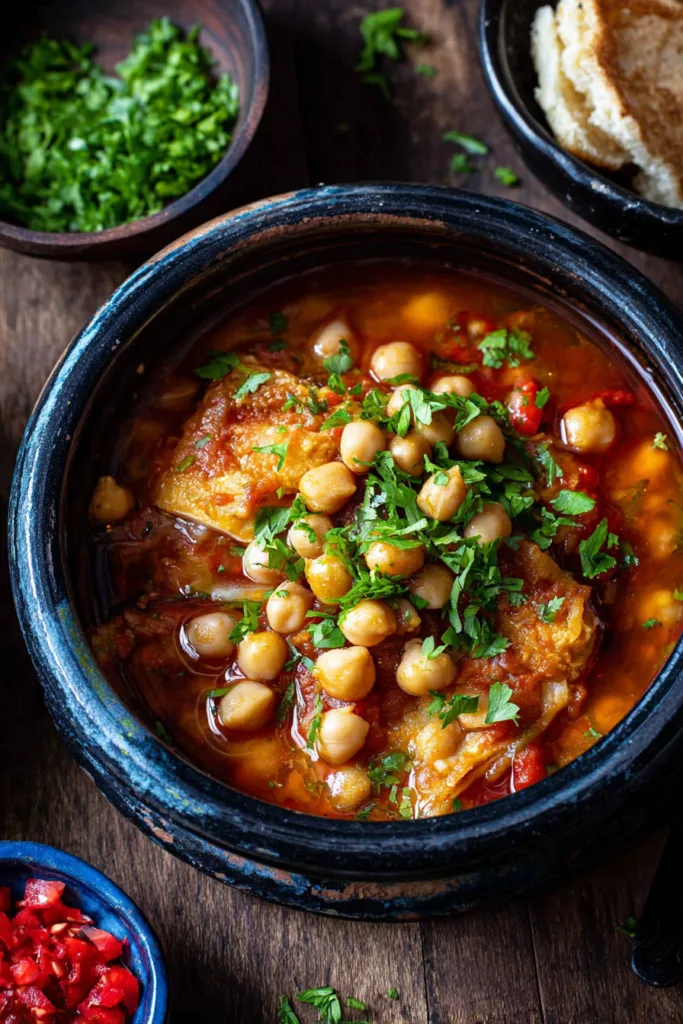
- Simmer the chickpeas by adding them with their liquid to a medium saucepan over medium-high heat. Cover the chickpeas with about 1 inch of water, bring everything to a boil, then lower the heat and partially cover the pot. Let the chickpeas simmer gently for about 30 minutes until very tender.
- Toast the bread while the chickpeas cook. Tear the rustic bread into pieces a little larger than bite-size and spread them onto a sheet pan. Drizzle with extra virgin olive oil, toss to coat, and arrange the pieces crust side down. Place the pan under a high broiler just until the bread turns golden brown, watching closely so it doesn’t burn.
- Cook the onion and garlic mixture in a medium non-stick skillet with olive oil over medium heat. Add the chopped onion, minced garlic, kosher salt, cumin, coriander, and paprika. Stir regularly and cook until the onions become tender and translucent.
- Combine the stew by transferring the onion and garlic mixture into the saucepan with the chickpeas. Stir in the harissa paste, another pinch of kosher salt, juice from one lemon, chopped parsley, and a drizzle of olive oil. Taste the broth and adjust the seasoning as needed.
- Assemble the bowls by placing several pieces of toasted bread into the bottom of each serving bowl. Ladle the hot chickpea stew over the bread, then finish each bowl with more olive oil, extra harissa, parsley, and chopped green onions. Serve immediately with lemon wedges and extra toasted bread on the side.
Tips for the Best Lablabi (Tunisian Chickpea Stew)
- Let the Chickpeas Simmer Fully — Even though canned chickpeas are already cooked, simmering them until very tender gives the stew its creamy texture and richer flavor.
- Watch the Bread Carefully — The bread can brown very quickly under the broiler, so keep a close eye on it to avoid burning.
- Add Harissa Gradually — Harissa can vary in heat depending on the brand, so tasting as you go helps control the spice level.
- Use Fresh Lemon Juice — Fresh lemon juice brightens the stew and balances the warm spices in a way bottled juice just can’t quite match.
- Serve Immediately After Assembly — Once the broth hits the toasted bread, the texture is at its very best. The bread softens slightly while still keeping a little chew.
- Great for quick mediterranean recipes — Since canned chickpeas do most of the heavy lifting, this dish delivers bold flavor without requiring a long ingredient list or complicated cooking steps.
Storage & Make-Ahead Tips
Fridge: Store the chickpea stew separately from the toasted bread in airtight containers in the refrigerator for up to 3 to 4 days. Keeping them separate helps the bread stay from becoming soggy.
Freezer: The chickpea stew can be frozen for up to 3 months in a freezer-safe container. Thaw overnight in the refrigerator before reheating. For the best texture, toast fresh bread when serving.
Make-Ahead: The stew itself can be prepared ahead of time and reheated gently on the stove before serving. Wait to toast the bread and assemble the bowls until right before eating so everything keeps its texture and freshness.
What to Serve With Lablabi (Tunisian Chickpea Stew)
This stew is hearty enough to stand on its own, but I sure do love setting out a few simple sides to turn dinner into a full spread folks can gather around and enjoy together.
- Simple green salad with lemon dressing
- Extra toasted rustic bread
- Olives and pickled vegetables
- Fresh sliced vegetables
- Citrus wedges for extra brightness
- Poached eggs for a heartier bowl
Frequently Asked Questions
Q: What is Lablabi?
Lablabi is a Tunisian chickpea stew traditionally served with toasted or stale bread at the bottom of the bowl. The bread absorbs the flavorful broth while the chickpeas create a hearty, comforting texture. This version uses warm spices, olive oil, harissa, lemon juice, and fresh herbs to build layers of flavor that feel both cozy and vibrant at the same time.
Q: Can I make Lablabi less spicy?
Absolutely. The heat in this recipe mainly comes from the harissa paste, so you can reduce the amount stirred into the stew or simply serve extra harissa on the side instead. Since different brands of harissa vary in spice level, tasting as you cook helps you control the final heat without losing the bold flavor that makes the stew special.
Q: Why is the bread added to the bottom of the bowl?
The toasted bread is one of the most important parts of Lablabi because it absorbs the broth and softens into the stew. Instead of staying crunchy like croutons, the bread becomes rich and flavorful while still keeping some texture around the edges. It turns a simple chickpea soup into a filling and deeply comforting meal.
Q: Do I have to use canned chickpeas?
This recipe is written using canned chickpeas because they make the cooking process quicker and easier while still producing a hearty stew. Simmering them for the full cooking time helps soften them even more and creates a better texture in the broth. The simmering step is important for achieving the creamy consistency that makes the dish satisfying.
Q: What does harissa taste like in this stew?
Harissa brings warmth, spice, and depth to the stew without overpowering the chickpeas and herbs. Combined with cumin, coriander, paprika, and olive oil, it creates a bold broth that still feels balanced thanks to the fresh lemon juice and parsley added at the end.
Q: Can I add toppings to Lablabi?
Yes. The recipe notes mention serving Lablabi with poached eggs for an even heartier meal. Preserved lemons, pink pickled turnips, and olives also work well as side additions. These extra toppings and sides add contrast and help make each bowl feel a little more customizable at the table.
Q: Is this good for mediterranean meal prep?
The stew portion works very well for preparing ahead because the flavors continue to develop as it sits. For the best texture, store the toasted bread separately and assemble each bowl right before serving. That way the bread still absorbs the broth properly without becoming overly soft during storage.
Q: What kind of bread works best for Lablabi?
A hearty rustic loaf with a sturdy crust works best because it holds up well once the broth is ladled over it. Softer sandwich-style breads can become too mushy too quickly. The crusty exterior helps the bread keep some texture while soaking in all the flavorful broth underneath.
There’s something downright comforting about a big bowl of Lablabi sitting on the table with plenty of bread nearby and everybody digging in while it’s hot. It’s humble food in the very best way—simple ingredients coming together to make something bold, filling, and full of heart.
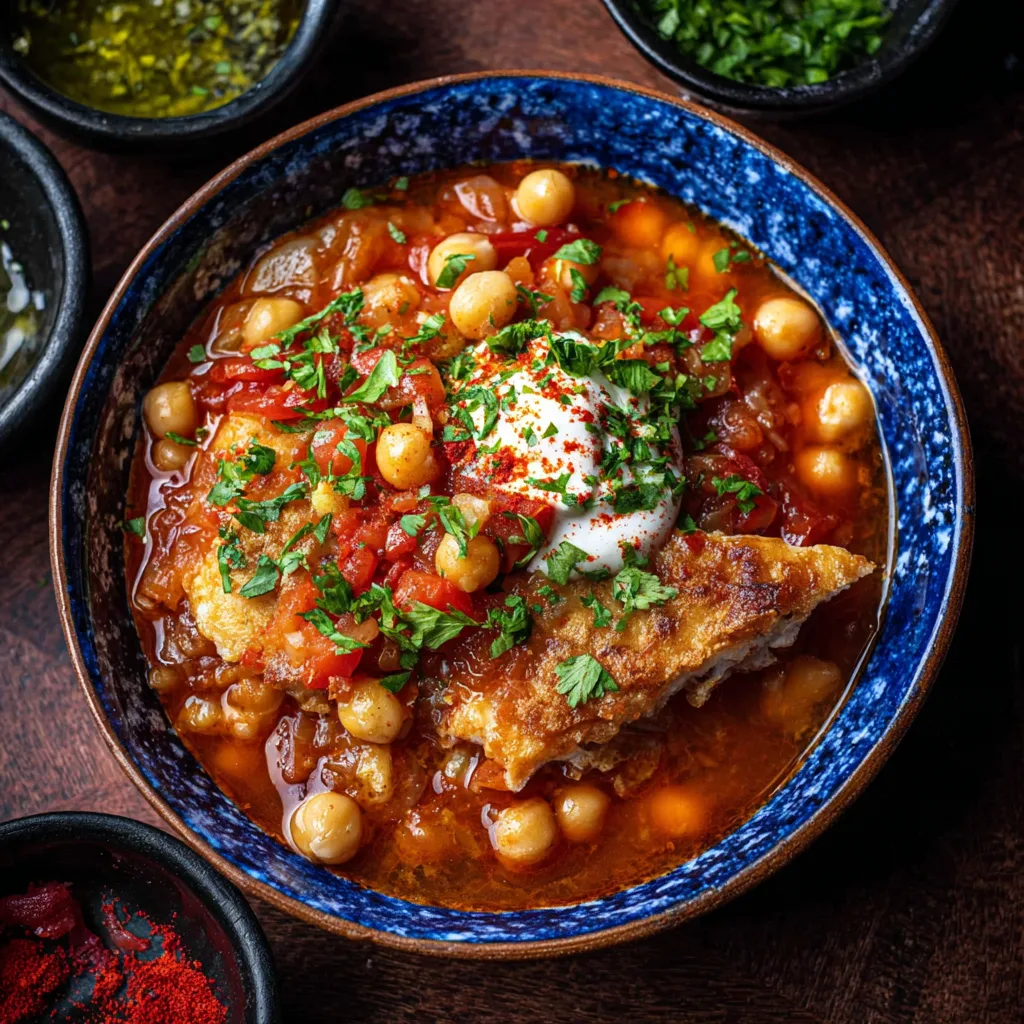
Lablabi (Tunisian Chickpea Stew)
Ingredients
Method
- Add the chickpeas with their liquid to a medium saucepan over medium-high heat and cover with water by about 1 inch.
- Bring the chickpeas to a boil, then lower the heat and partially cover with a lid. Simmer for about 30 minutes or until very tender.
- Set the oven rack about 6 inches beneath the broiler and preheat the broiler to high.
- Tear the rustic bread into slightly larger than bite-size pieces and arrange on a baking sheet.
- Drizzle the bread with extra virgin olive oil, toss to coat, and arrange crust side down.
- Broil the bread briefly until golden brown, watching carefully to prevent burning.
- Heat 2 tablespoons extra virgin olive oil in a medium non-stick skillet over medium heat.
- Add the onion, garlic, kosher salt, cumin, coriander, and paprika to the skillet.
- Cook the onion mixture, stirring regularly, until the onions are tender and translucent.
- Transfer the onion and garlic mixture to the saucepan with the chickpeas.
- Add the harissa paste, kosher salt, juice from 1 lemon, parsley, and a drizzle of olive oil.
- Stir the stew to combine and adjust seasoning to taste.
- Slice the remaining lemon into wedges.
- Place toasted bread pieces into serving bowls.
- Ladle the chickpea stew over the bread and top with olive oil, harissa, parsley, and chopped green onions.
- Serve immediately with lemon wedges and extra toasted bread on the side.